

Bangladesh’s economy is diversifying fast. RMG exporters are moving into higher-value manufacturing, the tech and IT-enabled services sector is expanding, and As Bangladesh’s business environment continues to evolve, local and international companies increasingly seek structured guidance for growth, restructuring, and market entry, according to Bangladesh Bank data. That growth is pulling in more businesses – local and foreign – that need structured strategic guidance to scale, restructure, or enter the market correctly.
Search “management consulting firm in Bangladesh” and you’ll find dozens of options, from global names like from large international consulting firms to specialized local consultancies. The differences between them aren’t cosmetic. They show up in how an engagement is scoped, staffed, and delivered – and in whether the recommendations you receive are things you can actually execute.

1. They Run a Real Diagnostic Phase – Not a Templated Proposal
from large international consulting firms to specialized local consultancies. Genuine management consulting starts with a structured diagnostic: reviewing your financials, operations, org structure, or market data before recommending anything.
Concretely, ask a prospective firm:
- What does your discovery phase involve, and how long does it typically run?
- Will you interview our team, review our data, or benchmark against competitors before proposing a plan?
- Can you show a past diagnostic report (redacted) from a comparable engagement?
A firm with a real methodology can walk you through this process step by step. A firm without one will describe its “services” instead of its “process.”
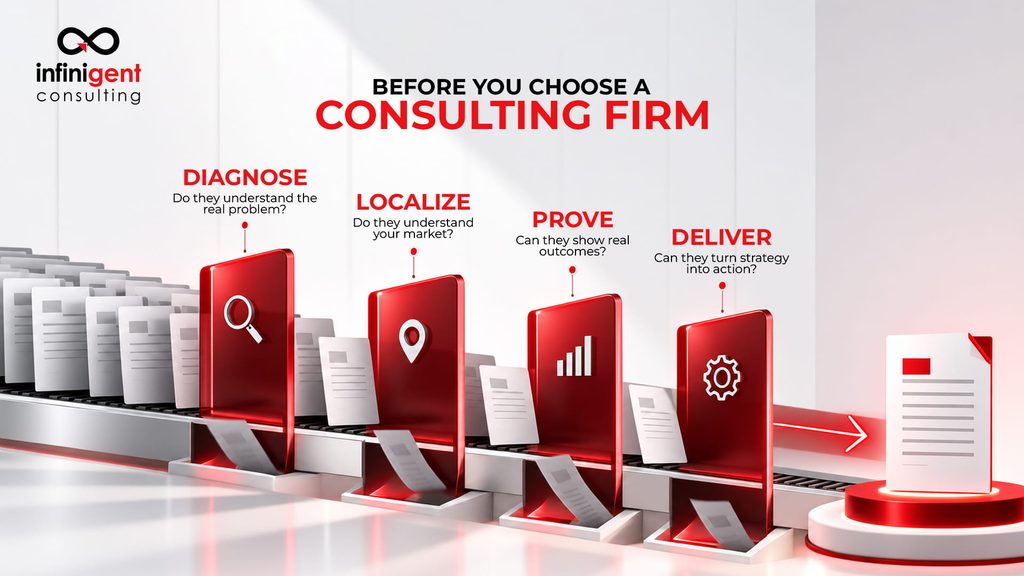
2. They Know Bangladesh’s Regulatory and Operating Environment Firsthand
International frameworks (International consulting frameworks, Six Sigma, Balanced Scorecard, and other established management methodologies”) are useful, but they don’t replace on-the-ground knowledge of how business actually gets done here. A consulting firm operating in Bangladesh needs working fluency in:
- BIDA (Bangladesh Investment Development Authority) registration and approval timelines for foreign investors
- RJSC (Registrar of Joint Stock Companies and Firms) incorporation requirements
- NBR (National Board of Revenue) tax structures, including VAT (Mushak) filing and corporate tax rates by sector
- Sector-specific incentives – for example, the tax holidays available to IT/ITES companies or bonded warehouse benefits for export-oriented manufacturers
This matters most for foreign companies entering the Bangladesh market, where a missed BIDA filing deadline or an incorrect entity structure can delay operations by months. A consulting firm that has actually walked a client through this process end-to-end will talk about it in specifics filing timelines, common rejection reasons, documentation requirements not general statements about “navigating the regulatory landscape.”
3. They Show Measurable Outcomes From Past Engagements
Ask any firm for specifics, not capability statements:
- What was the measurable result of your last three engagements – cost reduction, revenue growth, time-to-market?
- Which industries have you delivered outcomes in that are comparable to ours (manufacturing, RMG, tech, FMCG)?
- Can you connect us with a past client for a reference call?
A firm that answers with specific, measurable results- cost savings achieved, time saved on market entry- has done the work. A firm that answers only with a list of services offered has not demonstrated impact, only availability.
4. They Price Based on Engagement Complexity, Not on Winning the Bid
There’s always a reason a consulting engagemnet is underpriced; junior staffing, recycled templates, and senior partners who disappear after the contract is gone. A firm confident in its expertise scopes and prices an engagement around the complexity of the problem and the seniority of the people solving it.Pricing should be considered alongside the scope of work, consultant experience, deliverables, implementation support, and expected outcomes.If a firm’s main pitch is ‘we’re cheaper,’ it may be worth asking what is included in the fee and whether areas such as senior consultant involvement, diagnostic work, or post-engagement support are limited.
Five Questions to Ask Before You Sign
- What does your discovery process look like, and how long does it run before you propose a solution?
- Can you share a case study – with real, measurable results – from a comparable industry or challenge?
- Who specifically will work on our engagement: senior consultants, or junior analysts under a senior sign-off?
- What is your direct experience with BIDA registration, RJSC incorporation, or NBR compliance for our type of business?
- How do you define and measure success on this engagement, and what happens if targets aren’t met?
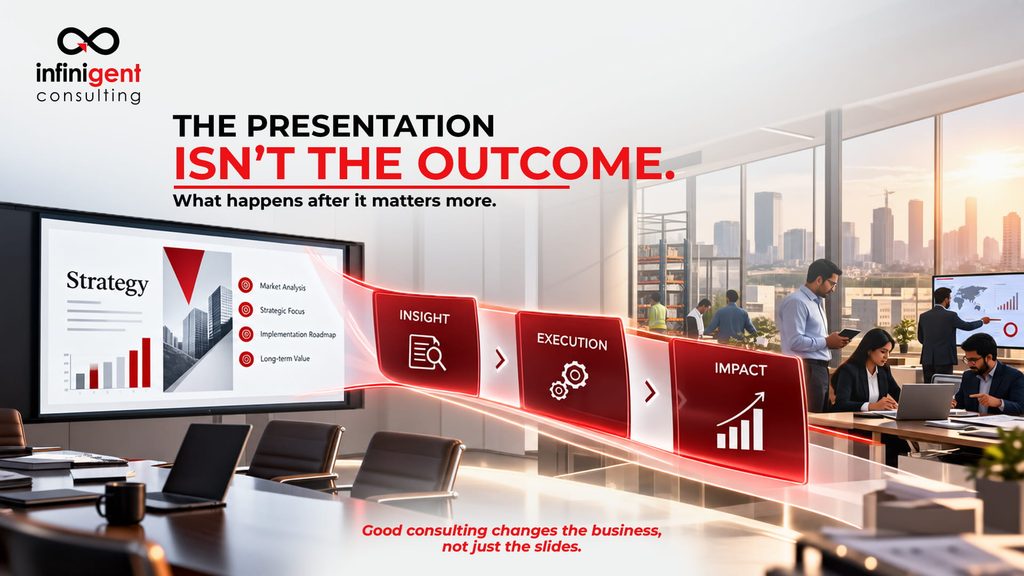
Specific, detailed answers to these five questions tell you more about a firm’s capability than any pitch deck.
Choosing a Long-Term Strategic Partner
Selecting a management consulting firm in Bangladesh is a strategic decision with real downstream cost if it goes wrong – a missed regulatory deadline, a restructuring plan that doesn’t survive implementation, a market-entry strategy built on generic assumptions rather than local data. The firms worth shortlisting are the ones that can show their diagnostic process, their regulatory experience, and their measurable outcomes – not just their service list.